Story
Loading the latest story
Please wait while the article is prepared.
Loading article content…
Loading article content…
Story
Please wait while the article is prepared.
Loading article content…
Loading article content…

Security
Inspector-General of Police Olatunji Rilwan Disu has proposed the establishment of a specialized security desk to protect Nigeria’s creative economy from piracy, cybercrime, and intellectual property theft.
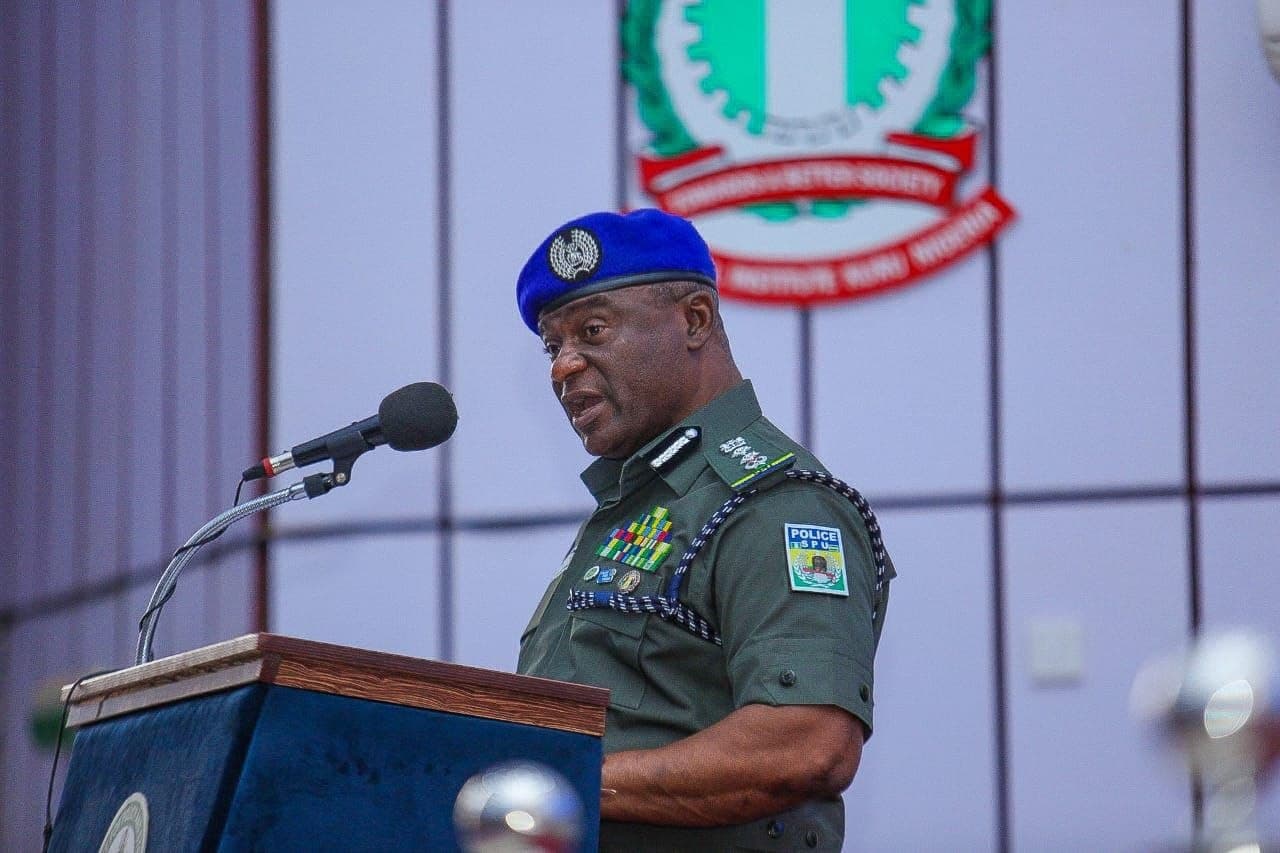
The Inspector-General of Police, IGP Olatunji Rilwan Disu, has called for stronger security and intellectual property protection for Nigeria’s creative economy, warning that piracy, cyber-enabled fraud, counterfeiting, and other forms of criminality could undermine businesses, innovation, and investment in the sector.
Disu made the call on Wednesday, September 16, 2026, while delivering a lecture to participants of Senior Executive Course 48, 2026, at the National Institute for Policy and Strategic Studies, NIPSS, Kuru, Plateau State. The lecture, titled “The Orange Economy and Entrepreneurship for Sustainable Development in Nigeria: The Role of the Nigeria Police Force,” examined the critical relationship between security, entrepreneurship, and the growth of Nigeria’s creative industries.
During his address, the IGP noted that Nigeria’s creative industries—encompassing film, music, fashion, publishing, advertising, digital content, gaming, tourism, and the arts—are increasingly powered by technology and intellectual property. He emphasized that the sector can only maximize its contribution to employment and national development when creators and their assets are adequately protected.
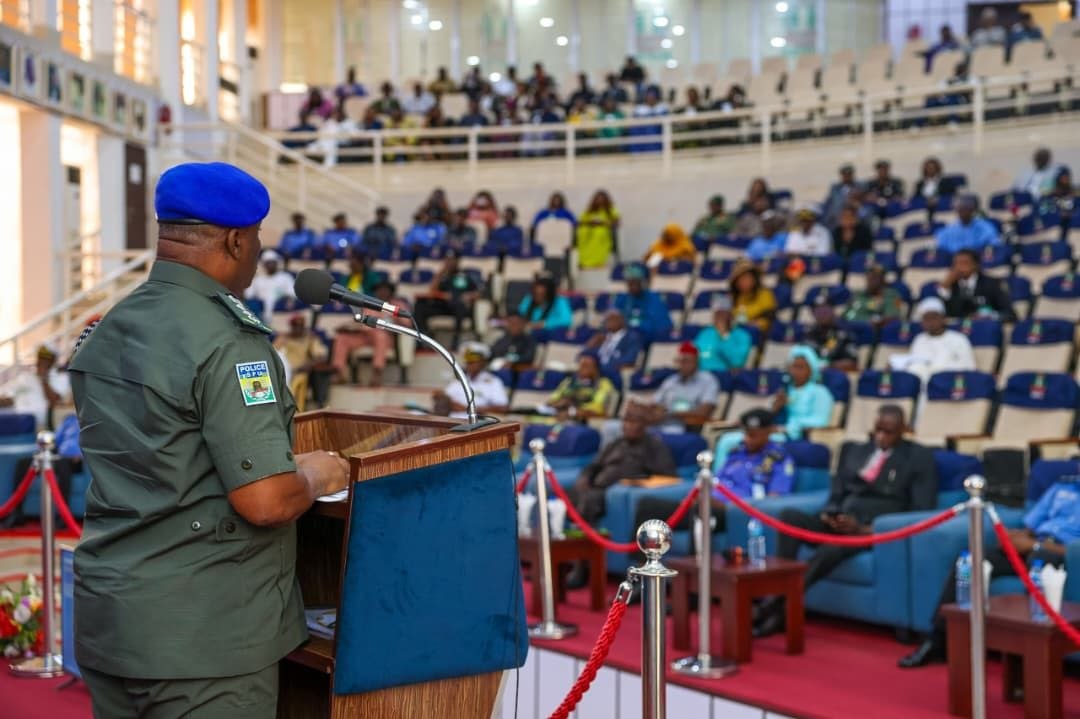
To address these challenges, the IGP proposed the establishment of an Orange Economy Security and Intellectual Property Coordination Desk within an appropriate existing structure of the Nigeria Police Force (NPF). This initiative aims to strengthen the Force’s response to crimes specifically targeting the creative sector.
According to the IGP, the proposed desk would facilitate specialized policing, inter-agency collaboration, and dedicated reporting mechanisms. This structure is intended to improve engagement with stakeholders and ensure that the unique needs of the creative economy are addressed through a coordinated security framework.
Disu advocated for an intelligence-led and partnership-based approach to tackling organized piracy, counterfeiting, and cyber-enabled fraud. He stressed the importance of financial investigations to trace proceeds connected to criminal networks operating through payment accounts, digital wallets, advertising revenues, and online distribution channels.
Effective protection, according to the IGP, requires stronger collaboration between the Nigeria Police Force, the Nigerian Copyright Commission, and other relevant institutions. He also identified the protection of film locations, concerts, festivals, tourism sites, and cultural assets as areas requiring heightened security attention to safeguard the physical and digital infrastructure of the industry.
Professional, accountable and rights-respecting policing is essential to building confidence among creators, entrepreneurs and investors.
— Olatunji Rilwan Disu, Inspector-General of Police, Nigeria Police Force
The IGP maintained that a secure environment is critical to enabling creative professionals to invest and expand their operations. He highlighted the need for law enforcement to understand the evolving nature of the digital economy, especially as creative products are increasingly distributed and monetized through online platforms.
Beyond enforcement, Disu underscored the preventive value of creating legitimate economic opportunities for young Nigerians. By providing youths with credible pathways from talent to lawful employment, the risk of their vulnerability to criminal activity is significantly reduced.
He concluded by reiterating the NPF’s commitment to working with government institutions and industry stakeholders. The ultimate goal remains the creation of an enabling environment for innovation, investment, and legitimate economic activity that contributes to Nigeria’s broader economic development.