Story
Loading the latest story
Please wait while the article is prepared.
Loading article content…
Loading article content…
Story
Please wait while the article is prepared.
Loading article content…
Loading article content…

Health
The Federal Government has announced plans to extend the Presidential Executive Order on local pharmaceutical manufacturing to achieve a 70 per cent domestic production target. This strategic move aims to bolster medicine security and position Nigeria as a leading pharmaceutical hub within the African continent.
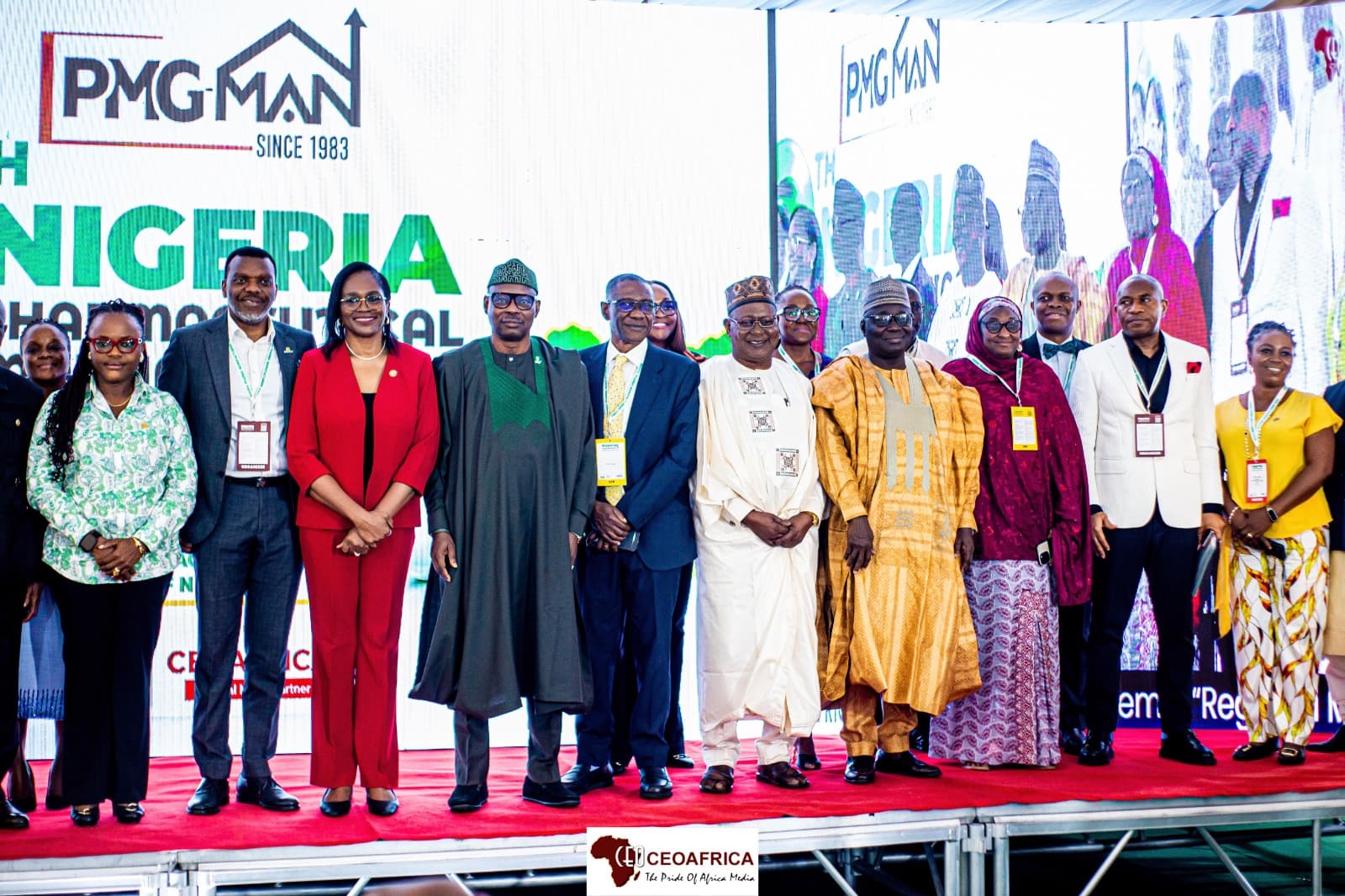
The Federal Government has indicated plans to extend the Presidential Executive Order supporting local pharmaceutical manufacturing by an additional two years. This extension aims to provide the stability required for manufacturers to deepen investments and expand production capacity as the current policy window is set to expire in March 2027.
The Pharmaceutical Manufacturers Group of the Manufacturers Association of Nigeria (PMGMAN) had previously appealed for this extension to consolidate gains recorded in domestic medicine production. Speaking at the 8th Nigeria Pharmaceutical Manufacturers Expo (NPME) 2026 in Lagos, PMGMAN Chairman Oluwatosin Jolayemi noted that while the sector has transformed to represent over 200 companies, it still faces challenges including high energy costs and supply-chain disruptions.
Nigeria’s ambition to become a regional pharmaceutical manufacturing hub must be anchored on a competitive, scalable and resilient domestic manufacturing ecosystem.
— Oluwatosin Jolayemi, Chairman, Pharmaceutical Manufacturers Group of the Manufacturers Association of Nigeria (PMGMAN)
During the expo, the Minister of State for Health and Social Welfare, Dr. Iziaq Adekunle Salako, reaffirmed the government's commitment to expanding domestic manufacturing as a pathway to healthcare resilience. He emphasized the need to strengthen the entire pharmaceutical value chain, from research and development to the sourcing of active pharmaceutical ingredients and quality assurance.
The government is specifically targeting 70 per cent domestic production of essential medicines, shifting away from a historical trend where nearly 70 per cent of drugs were imported. Minister of State for Industry, Trade and Investment, Senator John Owan Enoh, represented by Mr. John Okpe Oluwa, stated that this shift is central to the Renewed Hope Agenda and will provide a foundation for expanding exports through the African Continental Free Trade Area (AfCFTA).
To support these targets, the government is proposing several interventions:
The Director-General of NAFDAC, Prof. Mojisola Christianah Adeyeye, disclosed that 37 local manufacturing facilities are currently undergoing retrofitting and construction upgrades to meet international standards. These reforms, alongside the 5+5 policy, have already contributed to reducing drug importation and encouraging local manufacturers to improve their output.
Nigeria could not afford to reverse the gains recorded in local pharmaceutical manufacturing, urging intensified efforts towards the production of vaccines and other critical health commodities.
— Prof. Mojisola Christianah Adeyeye, Director-General, NAFDAC
At the continental level, Dr. Delese Mimi Darko, Director-General of the African Medicines Agency (AMA), called for stronger regulatory cooperation among African nations. She noted that regulatory harmonisation would enable manufacturers to navigate regional markets more efficiently, provided that localization includes investment in technology transfer and skilled manpower.
As part of its long-term strategy, PMGMAN unveiled the Industry Self-Regulation Quality Plus (ISRQ+) Project. This initiative includes a five-year Medicine Security Industry Advocacy Strategy for 2027–2031, a specialized laboratory, and a Data Repository and Learning Centre. These components are expected to be commissioned progressively within the next six to ten months to strengthen industry intelligence and quality capacity.
The Lagos State Government, represented by Dr. Kemi Ogunyemi, also pledged continued support to address infrastructure and financing hurdles. The expo concluded with a focus on translating domestic progress into a competitive regional ecosystem, with PMGMAN announcing plans for the 9th edition of the expo in 2028.
No nation could achieve sustainable greatness without manufacturing what its citizens consume.
— Pharm. Dr. Patrick Ajah, Chairman, NPME 2026