Story
Loading the latest story
Please wait while the article is prepared.
Loading article content…
Loading article content…
Story
Please wait while the article is prepared.
Loading article content…
Loading article content…

Politics
Eze Kalu Kalu Ogbu IV of Abiriba Kingdom has challenged traditional and political leaders to restore integrity to leadership to address Nigeria's growing moral and institutional crises. The monarch warned that compromised independence among traditional institutions undermines their role as the nation's moral compass.
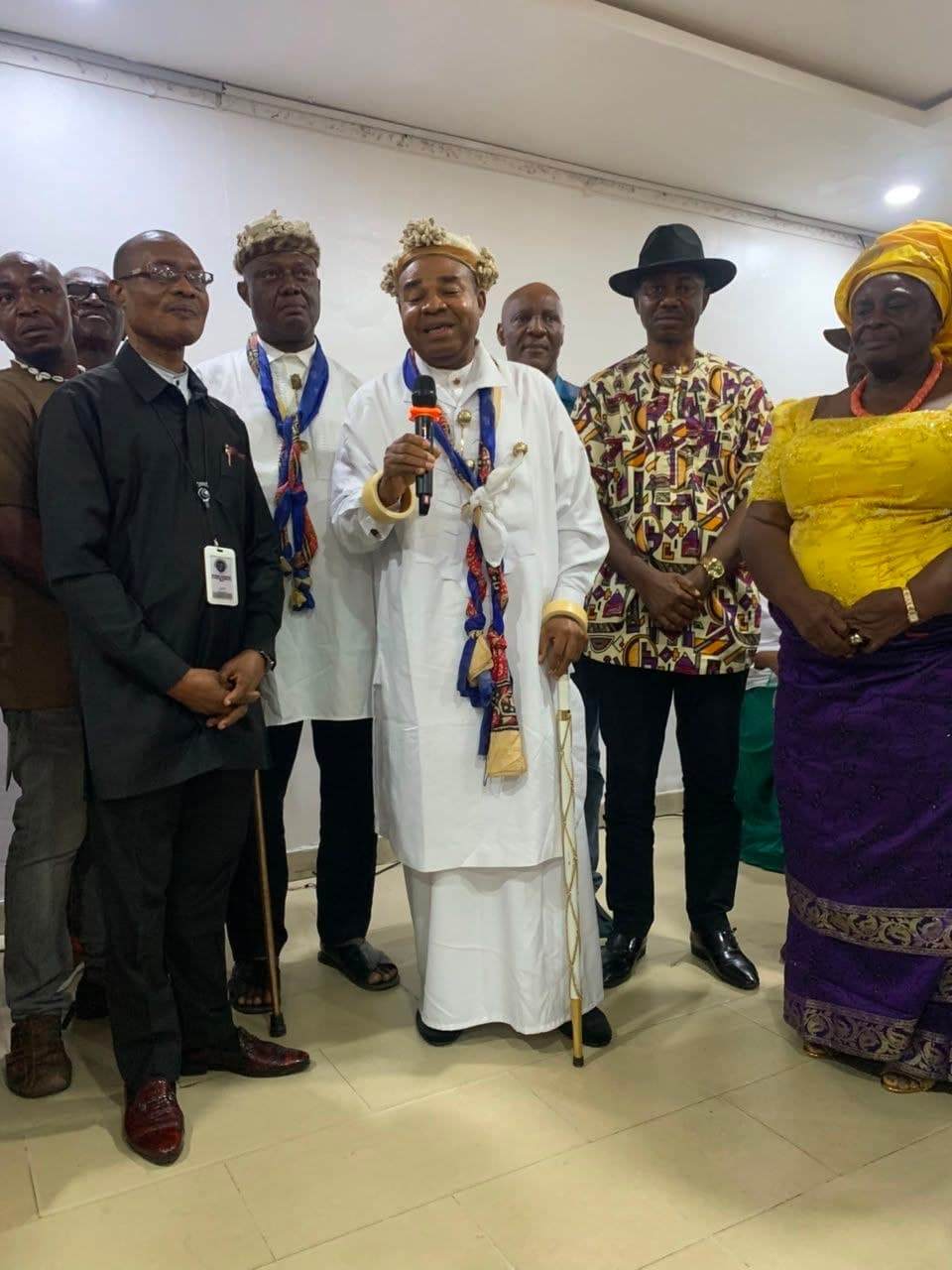
His Royal Majesty Eze Kalu Kalu Ogbu IV, Esq., the Enachioken of Abiriba Kingdom and Paramount Ruler of the Abiriba people, has challenged traditional rulers and politicians to restore integrity to leadership. The monarch warned that the erosion of character is directly responsible for the growing moral and institutional crises facing the country.
Describing integrity as the indispensable foundation of credible leadership, Eze Ogbu IV declared emphatically that integrity is the most critical asset for any public officer. His intervention comes amid heightened concerns over declining public confidence in both political and traditional institutions, often triggered by the perceived closeness between custodians of culture and political actors.
Integrity is everything.
— Eze Kalu Kalu Ogbu IV, Enachioken of Abiriba Kingdom, Abiriba People
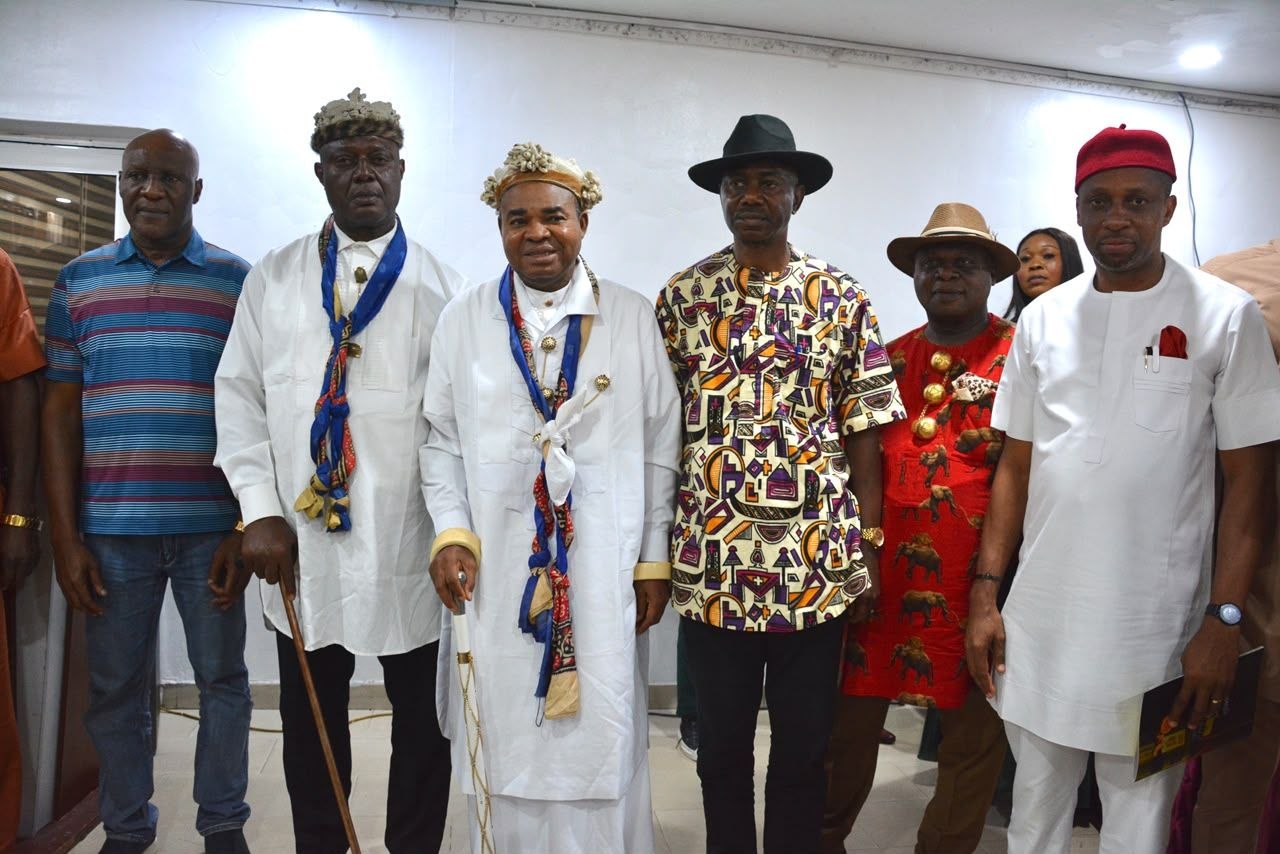
The monarch specifically addressed the role of the traditional institution, which he argued should serve as a moral compass for society. He cautioned that custodians of culture risk losing their historical authority and the respect of their subjects when they compromise their independence for political or personal interests. He insisted that the responsibility for Nigeria’s leadership failures should not be placed solely on politicians.
Eze Ogbu IV stressed that traditional rulers have a duty to uphold the values expected of them as custodians of culture and community interests. He noted that the compromise of these institutions has significantly weakened the moral authority with which traditional rulers were traditionally regarded. He called on those entrusted with authority to prioritize the interests of the people above personal political considerations.
The call for integrity was echoed by other prominent figures at a programme organized by the Nigerian Association of Christian Journalists (NACJ). His Royal Highness Frederick Iyogun, the Iyogu II of Uneme-Osu, described integrity as the "pillar for life" and emphasized that royalty itself is built upon it. He noted that communities look for people of integrity when choosing representatives to lead them.
I don’t think there’s any traditional ruler who wants to reign, who wants to succeed without having integrity.
— HRH Frederick Iyogun, Iyogu II of Uneme-Osu, Central Uneme Clan
Furthermore, the National President of the NACJ, Dr Charles Okhai, urged public office holders to become more integrity-conscious to combat corruption and impunity. This sentiment was reinforced by Dr George Moghalu, former Managing Director of the National Inland Waterways Authority, who argued that national progress is inseparable from the character of the citizenry.
Nigeria has no shortage of talents, no shortage of land or resources. What the nation lacks… is a people willing to be honest when no one is watching.
— Dr George Moghalu, Former Managing Director, National Inland Waterways Authority
Dr Moghalu urged those in positions of authority to make integrity a personal and institutional responsibility rather than a subject of public speeches. These combined interventions underscore growing concerns that the battle against corruption and poor governance cannot be won through laws alone without a corresponding change in the character of leaders and citizens alike.