Story
Loading the latest story
Please wait while the article is prepared.
Loading article content…
Loading article content…
Story
Please wait while the article is prepared.
Loading article content…
Loading article content…

News
The Lagos State Traffic Management Authority (LASTMA) has responded to 1,409 road traffic crashes and rescued 670 accident victims in nine months, reaffirming its commitment to reducing road fatalities and improving emergency response across the state.
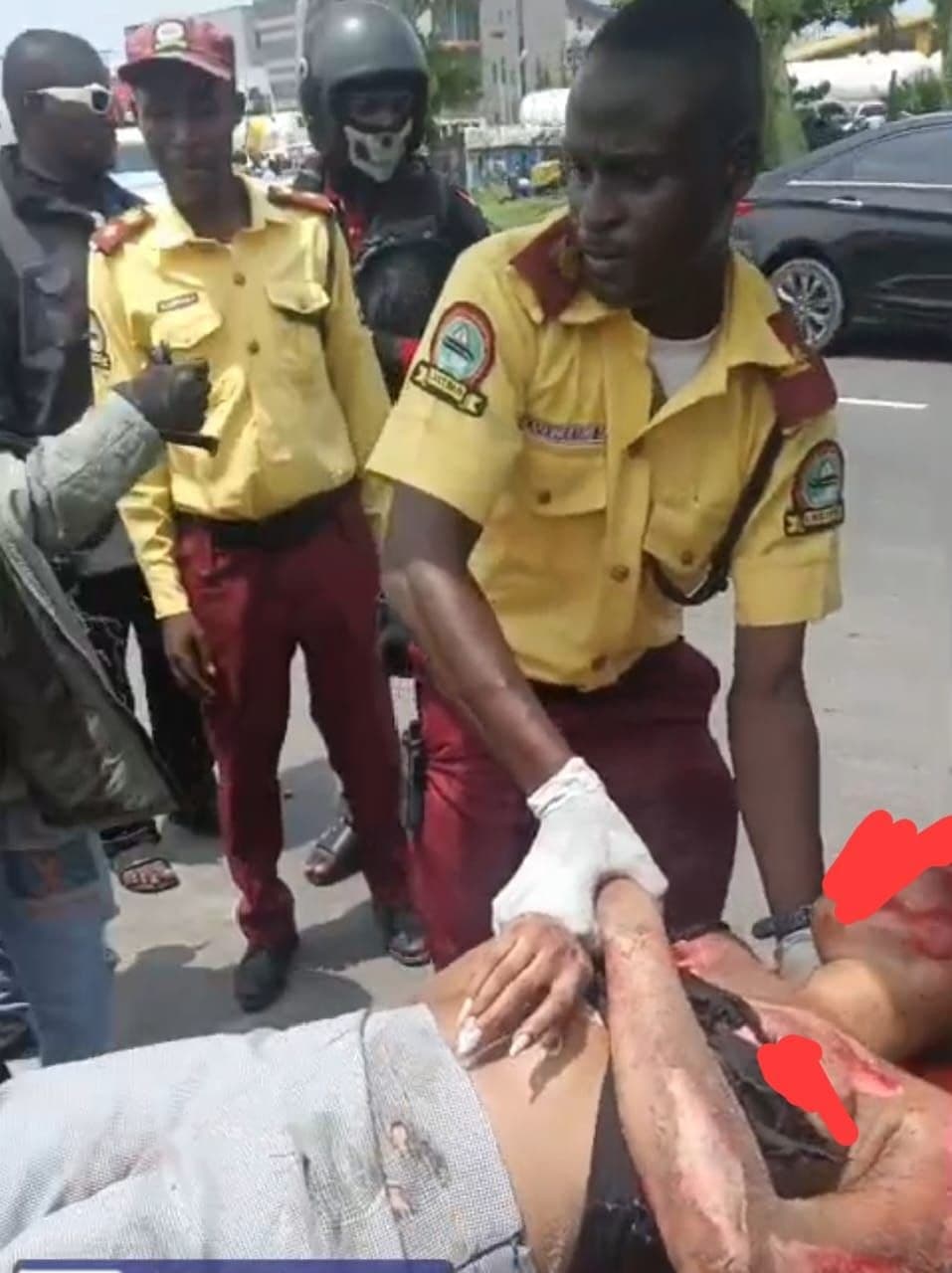
The Lagos State Traffic Management Authority (LASTMA) has responded to 1,409 road traffic crashes and rescued 670 accident victims in nine months, reaffirming its commitment to reducing road fatalities and improving emergency response across the state.
The figures, disclosed over the weekend, highlight the scale of road traffic incidents requiring the authority’s intervention and the role of its operatives in rescuing victims, managing traffic at crash scenes and preventing secondary accidents.
Under the leadership of its General Manager, Mr Olalekan Bakare-Oki, LASTMA said it had continued to strengthen its incident-response operations to mitigate the consequences of road crashes and ensure the timely delivery of assistance to affected motorists and other road users. According to the authority, its operatives are routinely deployed to crash scenes to conduct preliminary assessments, facilitate the rescue of victims, manage traffic diversions and prevent further collisions.
The interventions also help reduce traffic congestion, restore the free flow of vehicles and provide access for emergency responders attending to injured victims. The authority said the rescue of 670 accident victims underscored the humanitarian dimension of its statutory responsibilities, noting that its personnel often operate under hazardous and unpredictable conditions to assist victims and coordinate emergency interventions.
It added that its operatives collaborate with the Lagos State Emergency Management Agency (LASEMA), Lagos State Ambulance Service (LASAMBUS), State Environmental Health Monitoring Unit (SEHMU), Lagos State Fire and Rescue Service and other relevant emergency response agencies to ensure victims receive appropriate assistance.
Bakare-Oki reaffirmed the authority’s commitment to strengthening its emergency response capacity, intensifying public enlightenment campaigns and promoting strict compliance with traffic regulations to reduce road crashes and their consequences. He stressed that prompt reporting of road incidents and effective collaboration among relevant agencies remained essential to improving emergency response and reducing casualties. The LASTMA boss urged motorists to observe prescribed speed limits, obey traffic signals, wear seat belts and ensure their vehicles were roadworthy.
He also cautioned against distracted driving and reckless manoeuvres, emphasising that defensive driving and responsible motoring were critical to preventing avoidable crashes. Bakare-Oki further called on private motorists, commercial transport operators, dispatch riders and pedestrians to exercise greater vigilance and comply with traffic directives. He urged members of the public to promptly report road crashes, traffic obstructions and other incidents requiring the authority’s intervention through LASTMA’s toll-free short code, 3367. According to him, road safety requires the collective commitment of all road users, adding that individual responsibility and adherence to traffic regulations are necessary to protect lives on Lagos roads.
The General Manager noted that road traffic crashes often result in fatalities, debilitating injuries, economic losses and lasting emotional trauma for affected families. He maintained that strict compliance with traffic regulations, regular vehicle inspections and prudent driving practices were essential to reducing the frequency and severity of crashes. LASTMA said it would sustain proactive incident response, strengthen collaboration with emergency management agencies and intensify road safety advocacy across Lagos State. The authority called on motorists and other road users to adopt responsible road-use practices, stressing that protecting human lives was both a statutory responsibility and a collective moral obligation.